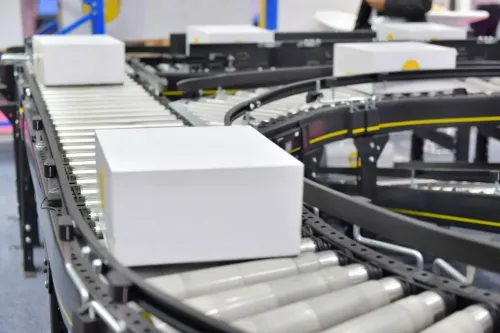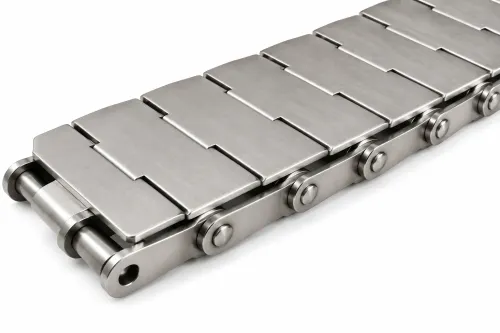


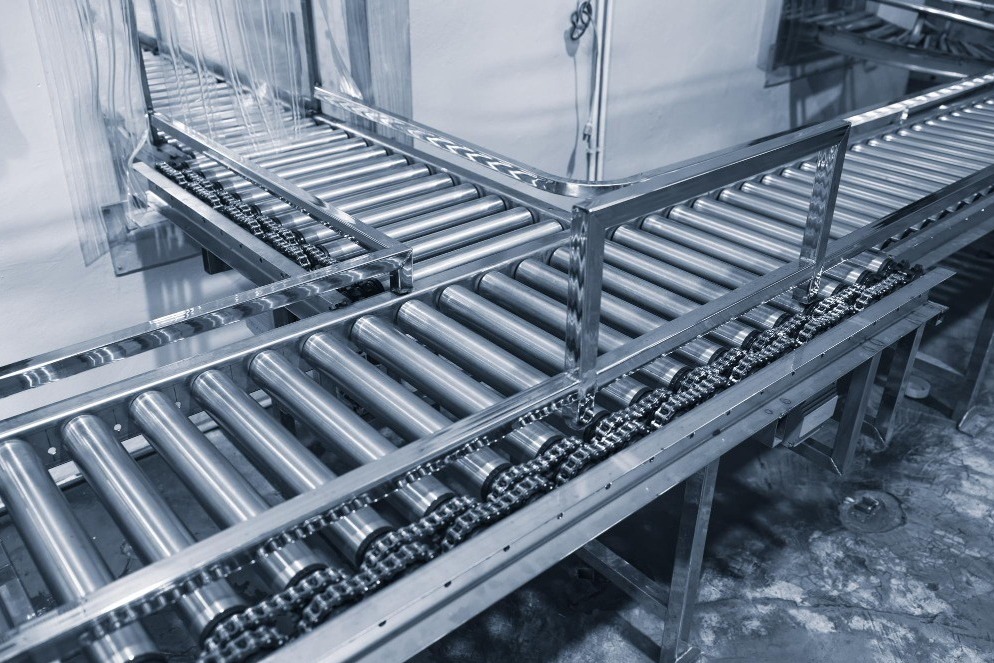
Permanent conveyor installations work well when material follows the same route every day. Loading bays, dispatch areas, temporary packing stations, and changing warehouse layouts often need something more adaptable. A Flexible Roller Conveyor can provide that flexibility by allowing the conveyor path and working length to be adjusted according to operational requirements.
For logistics, warehousing, distribution, and manufacturing facilities in Faridabad, Haryana, this type of conveyor is worth considering when handling routes change regularly.
When Does a Flexible Conveyor Make Sense?
The strongest use case is an operation where products need to move between different points but installing a permanent conveyor for every route would be impractical.
Typical applications can include:
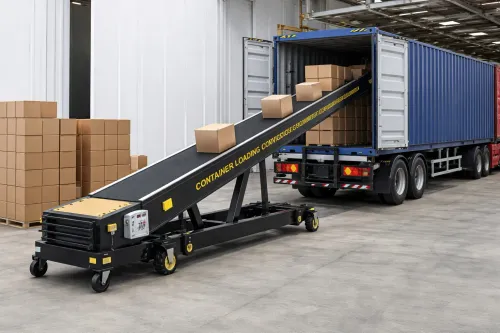
- Truck loading and unloading
- Carton movement
- Dispatch areas
- Temporary packing lines
- Warehouse transfer points
- Parcel-handling operations
- Seasonal or changing workflows
When not required, a flexible conveyor can generally occupy less operational space than a permanently extended line, depending on its configuration.
Flexible Roller Conveyor or Fixed Conveyor?
A fixed conveyor is often preferable for continuous, high-volume movement along a permanent route. Its layout can be engineered specifically around that process.
Flexible conveyors provide a different advantage: adaptability.
If loading vehicles stop in slightly different positions, packing stations are rearranged, or a conveyor is needed only during certain shifts, the ability to reposition equipment can be useful.
Neither approach is automatically better. The correct choice depends on how stable the material route is.
Check the Product Before Selecting Equipment
Roller conveying generally requires suitable product bases. Cartons and rigid packages usually need enough contact with multiple rollers to remain stable during movement.
Buyers should therefore provide:
- Minimum and maximum carton dimensions
- Package weight range
- Required expanded length
- Available collapsed storage area
- Working height
- Required conveyor width
- Expected daily operating duration
- Floor conditions
If powered movement is required, electrical supply, speed, controls, and drive requirements also become part of the specification.
Assess Movement and Storage
Mobility is a major reason for selecting flexible equipment, so it should be evaluated carefully.
Check how easily operators can move and position the conveyor and whether the equipment can be stored conveniently when it is not being used. The floor should also be appropriate for the intended movement and positioning arrangement.
Sunrise Conveyors manufactures conveyor systems for industrial material-handling requirements, including configurations suited to loading, dispatch, and warehouse movement.
Faridabad businesses considering a Flexible Roller Conveyor can benefit from mapping their busiest dispatch period before choosing equipment. Observe where cartons originate, how far employees carry them, how frequently loading positions change, and where temporary congestion develops.
These observations clarify whether flexibility will create genuine operational value.
Where material routes change frequently, a properly specified flexible conveyor can bridge gaps between fixed equipment, packing stations, loading bays, and vehicles without requiring a permanent conveyor route for every situation.