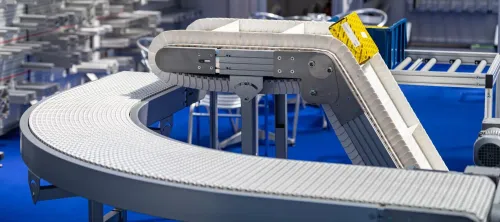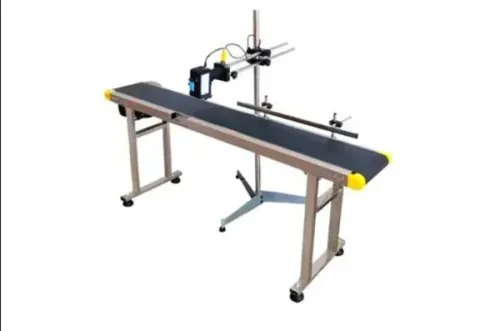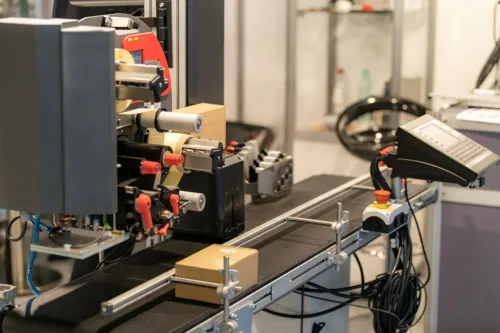
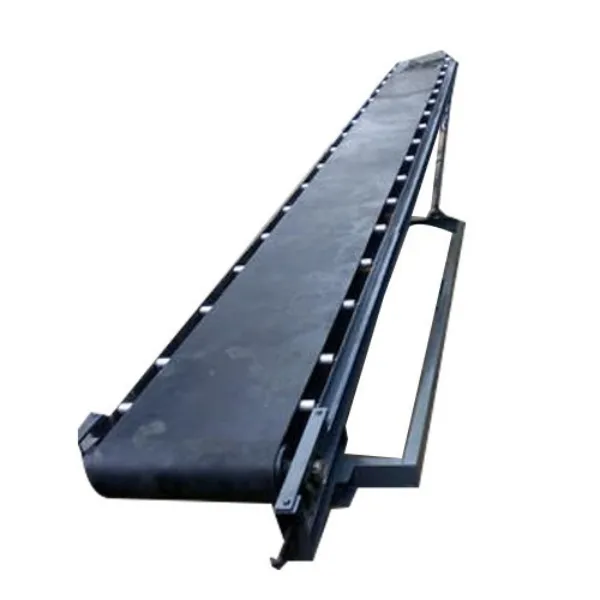
Batch numbers, manufacturing dates, expiry information, barcodes, and other product details need to be applied accurately during packaging. A Coding Conveyor creates a controlled moving platform that allows products to pass through coding or marking equipment at a consistent speed.
For manufacturers, food processors, pharmaceutical packaging operations, and other businesses in Ghaziabad, Uttar Pradesh, choosing the right conveyor can make coding easier to integrate into an existing production line.
How Does a Coding Conveyor Work?
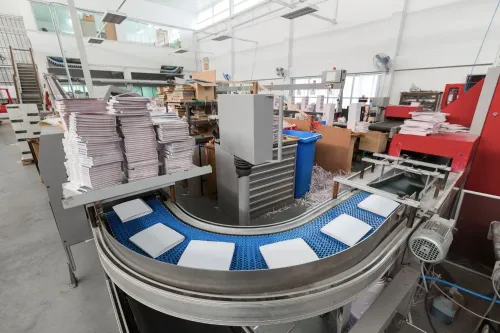
Products are placed or transferred onto a moving belt and carried past the coding device. Depending on the production setup, the coder may print information on cartons, pouches, bottles, labels, containers, or other packaging surfaces.
The key requirement is predictable movement.
If products move at inconsistent speeds or shift sideways, code placement can become difficult to control. A properly configured conveyor helps maintain a more repeatable relationship between the product and the coding equipment.
Features That Matter in Everyday Production
Speed adjustment is one of the most useful capabilities. Different products and coding technologies may operate effectively at different line speeds.
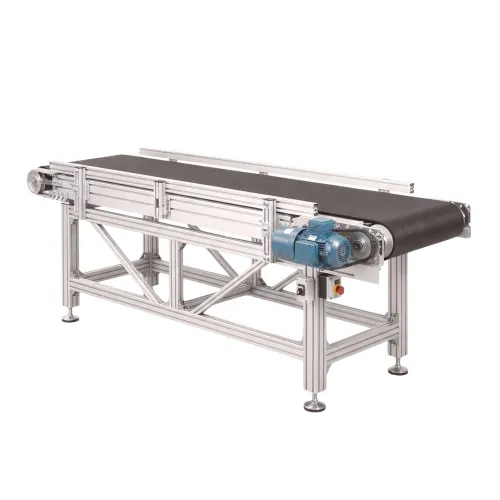
Other considerations include:
- Conveyor belt width and length
- Product guide arrangement
- Adjustable working height
- Motor and drive configuration
- Belt surface characteristics
- Frame material
- Ease of cleaning
- Compatibility with the coding machine
For lightweight packages, stable guides can be particularly valuable because they help prevent sideways movement.
Should You Choose a Standalone or Integrated Conveyor?
A standalone coding conveyor can be suitable when operators manually load and unload products. It provides a relatively simple way to introduce automated movement without redesigning an entire packaging line.
Integrated configurations are more appropriate when products arrive automatically from filling, sealing, labeling, or other machinery.
Ghaziabad's manufacturing sector includes businesses operating everything from compact production units to larger automated lines. The ideal conveyor therefore depends more on the process than on a standard specification.
Before purchasing, businesses should test or document the smallest and largest product sizes expected on the line. They should also establish the desired production rate and identify where the code must appear.
Sunrise Conveyors manufactures conveyor solutions for industrial applications and can consider these operational parameters when configuring equipment for coding and packaging environments.
A useful specification request should include product dimensions, approximate weight, required belt speed, coding-machine details, available floor space, and preferred working height.
The most effective Coding Conveyor is not necessarily the fastest model available. It is the system that keeps products sufficiently stable, works at the required production speed, and fits correctly between surrounding operations.
For Ghaziabad manufacturers looking to improve coding consistency, evaluating these practical factors before installation can prevent unnecessary modifications later and help the packaging line operate with fewer manual adjustments.
Keywords