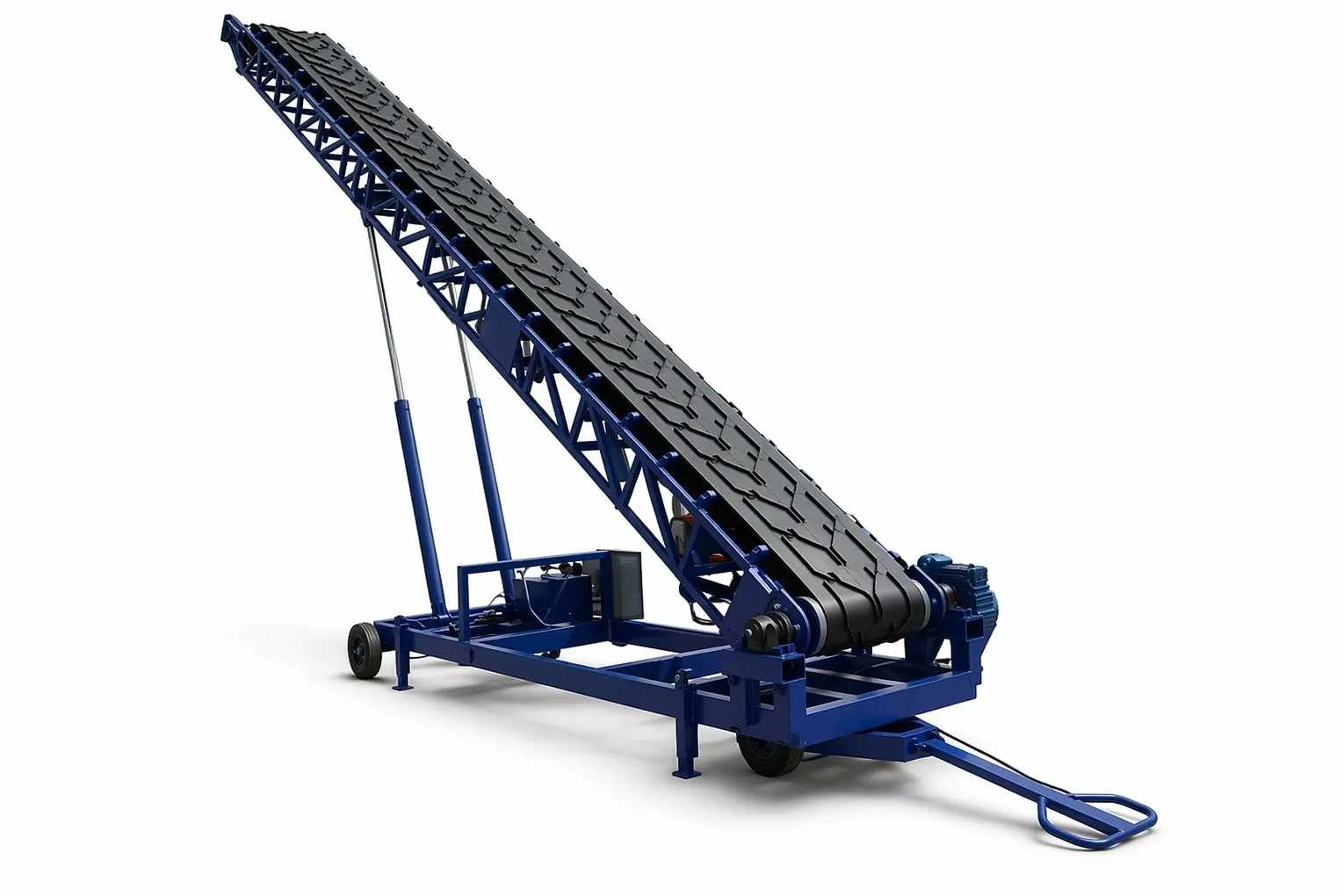
Efficient material handling is one of the biggest challenges in manufacturing, warehousing, logistics, and packaging facilities. As production volumes increase, businesses need equipment that can move, stack, and organize materials quickly without relying heavily on manual labour. This is where a Stacker Conveyor becomes an essential part of modern industrial operations.
Across Delhi's growing industrial sectors, stacker conveyors are helping companies improve workflow, reduce handling time, and make better use of available storage space. Whether handling cartons, bags, boxes, parcels, or packaged goods, the right conveyor system can simplify operations while increasing productivity.
What Is a Stacker Conveyor?
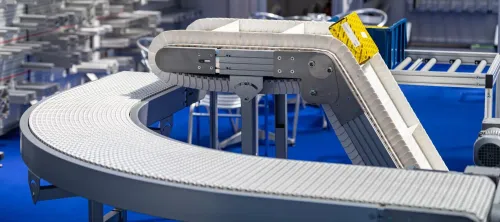
A Stacker Conveyor is a conveyor system designed to transport materials while stacking them at different heights or locations. Unlike standard conveyors that only move products from one point to another, stacker conveyors help organize finished goods into neat piles or storage areas.
These conveyors are widely used where products need to be loaded into trucks, stacked in warehouses, or transferred to storage without repeated manual lifting.
How Does a Stacker Conveyor Work?
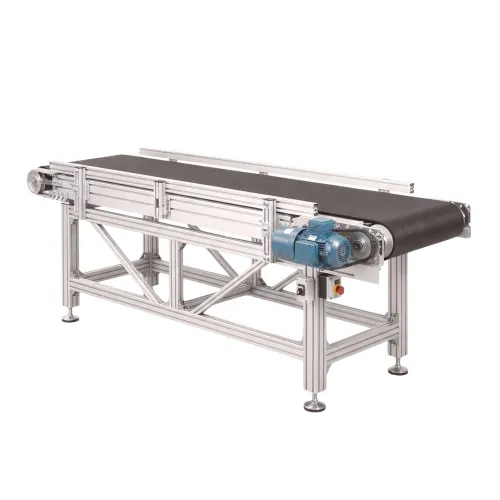
A stacker conveyor uses a moving conveyor belt combined with an adjustable frame. Depending on the application, the conveyor can be raised, lowered, or repositioned to stack products efficiently.
Many industrial models include:
- Adjustable conveyor height
- Variable speed control
- Heavy-duty support frame
- Mobile wheels for easy relocation
- Belt alignment systems
- Low-maintenance drive mechanisms
These features allow businesses to handle different product sizes while maintaining a smooth production flow.
Industries That Commonly Use Stacker Conveyors
Stacker conveyors have become common across several industries because of their versatility.
Some of the major applications include:
- Warehouses
- Packaging units
- Food processing plants
- Cement industries
- Agriculture
- Logistics companies
- Courier hubs
- Recycling facilities
- Manufacturing plants
Businesses dealing with bulk materials or packaged products often see immediate improvements after introducing automated stacking systems.
Advantages of Using a Stacker Conveyor
Installing a stacker conveyor offers more than just automation. It creates a more organised and efficient workplace.
Some key benefits include:
Faster Material Movement
Products move continuously without unnecessary waiting, reducing production bottlenecks.
Reduced Manual Handling
Employees spend less time lifting and carrying heavy materials, lowering physical strain and improving workplace safety.
Better Space Utilisation
Materials can be stacked neatly, making maximum use of warehouse space and reducing clutter.
Higher Productivity
Operators can focus on monitoring production instead of repetitive handling tasks.
Lower Product Damage
Smooth conveyor movement reduces the chances of cartons or packaged goods falling or being mishandled.
Factors to Consider Before Buying
Not every stacker conveyor is suitable for every application. Before investing, businesses should evaluate several important factors.
Load Capacity
Know the average weight of the products the conveyor will handle.
Conveyor Length
The conveyor should comfortably reach the loading or storage area without affecting workflow.
Height Adjustment
If products are stacked at different levels, adjustable height becomes essential.
Belt Type
Select a belt that suits the product surface, weight, and operating environment.
Mobility
Facilities with changing layouts may benefit from mobile stacker conveyors that can be relocated easily.
Common Mistakes Businesses Make
Choosing a conveyor without proper planning often creates operational challenges later.
Avoid these mistakes:
- Purchasing based only on price
- Ignoring future production growth
- Choosing insufficient load capacity
- Overlooking available floor space
- Selecting the wrong belt material
- Neglecting maintenance accessibility
Proper planning helps businesses get better long-term value from their investment.
Why Customisation Is Important
Every production facility has different handling requirements.
A customised stacker conveyor can be designed based on:
- Product dimensions
- Required stacking height
- Production capacity
- Warehouse layout
- Loading dock configuration
- Existing conveyor systems
This creates a smoother workflow while reducing unnecessary modifications after installation.
Selecting the Right Manufacturer
When comparing conveyor manufacturers in Delhi, businesses should evaluate more than technical specifications.
Look for a company that offers:
- Industry experience
- Custom-built conveyor solutions
- Quality manufacturing standards
- Reliable installation support
- Spare parts availability
- Responsive after-sales service
Manufacturers like Sunrise Conveyors work with businesses across different industries to develop conveyor systems that fit specific production requirements rather than relying on standard designs.
Frequently Asked Questions
Can a stacker conveyor handle heavy products?
Yes. Heavy-duty models are designed to transport and stack large cartons, bags, and industrial materials.
Are stacker conveyors suitable for warehouses?
Absolutely. Warehouses use them extensively for loading, unloading, and organising inventory.
Can conveyor height be adjusted?
Most industrial stacker conveyors include adjustable height mechanisms to suit different stacking requirements.
Is customisation available?
Yes. Conveyor dimensions, speed, load capacity, frame design, and mobility options can all be customised.
A well-designed Stacker Conveyor helps businesses in Delhi streamline material handling, improve warehouse efficiency, and reduce manual labour. Choosing equipment that matches operational requirements ensures smoother production, better space management, and long-term reliability.
Keywords